Gifts for Kids Ages 3–8 That Aren't More Plastic Clutter (2026)
By GiftBuster Editors · Updated November 5, 2026
We may earn a commission when you buy through links on this page.
Short answer: For 3- to 5-year-olds, the Toniebox 2 is the easiest screen-free audio player for small hands, and the Yoto Mini (4th Gen) is the one they grow into through age 8 and beyond. For active play, get the Stapelstein Board. For making things, get the Melissa & Doug Deluxe Wooden Standing Art Easel or a Kiwi Crate subscription for ages 6–9.
The picks
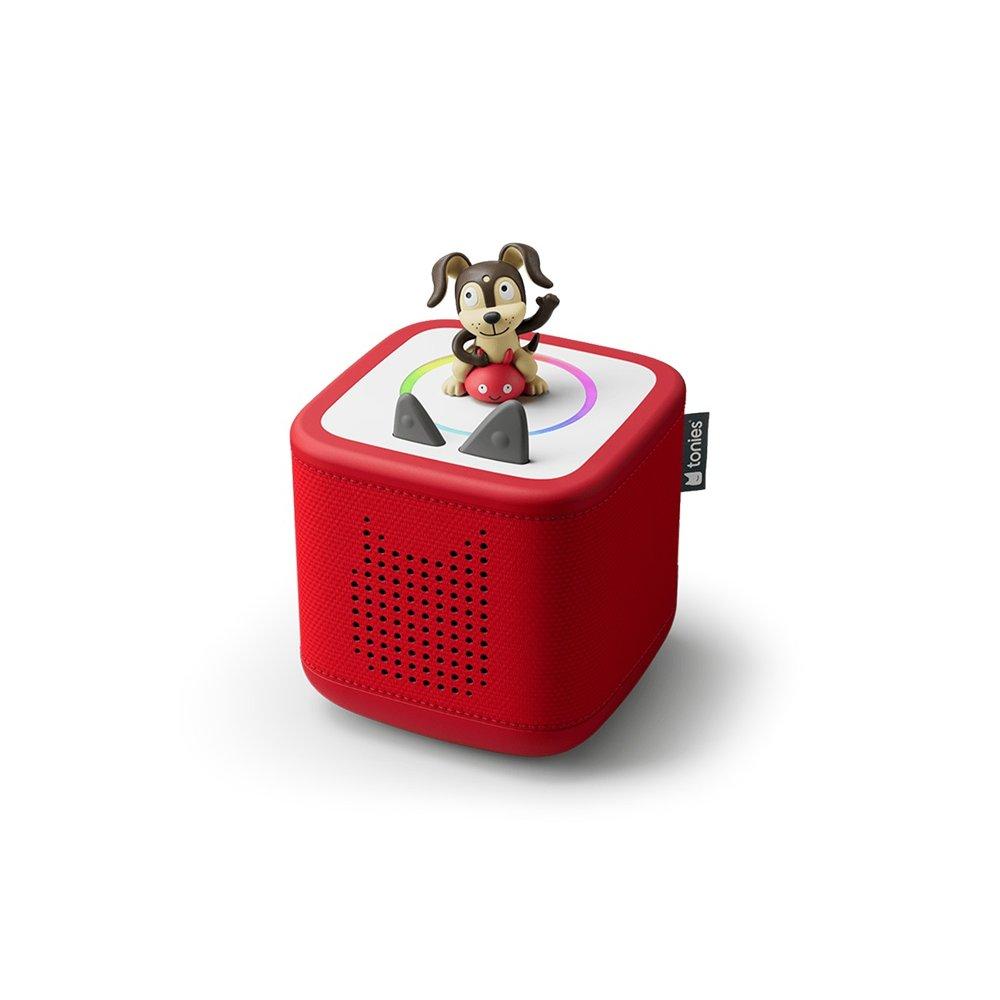
Tonies Toniebox 2 Starter Set (Playtime Puppy)
$149.99 Price on November 5, 2026
For the preschooler who wants stories without a screen
- Who it's for: Ages 3–5 (Tonies says 1–12+). Good for kids who still like physical toys and can't yet read buttons or icons.
- Why it's worth it: Kids put a figurine on the padded cube to start a story or songs, and squeeze its ears to change the volume. In TODAY's side-by-side test with a 3.5-year-old, the Toniebox was the better starter player for kids under 4 because a child can run it alone.
- Price: Fair price. This price matches the Yoto Player 4th Gen. The box alone costs $129.99, so the starter figurine adds about $20.
- Know before you buy: Each extra Tonie figurine costs about $15–$20, and figurines are the main ongoing cost. Wi-Fi and the app are needed for setup, and content plays offline after it syncs. Several themed starter sets (Bluey, Ms. Rachel, PAW Patrol) cost the same $149.99.
- Skip it if: The child is 6 or older or already reading. The Yoto has more content for older kids, and its cards cost less than figurines.
- What testers say: TODAY's tester liked that it is sturdy, simple and works offline. The downsides: figurines get expensive and are easy to lose, there are no real parental controls, and uploading your own recordings is clunky. Reviewed.com calls it the best player for tactile learners.
Reviews: TODAY (Toniebox vs. Yoto, tested Sept 2025) · Reviewed
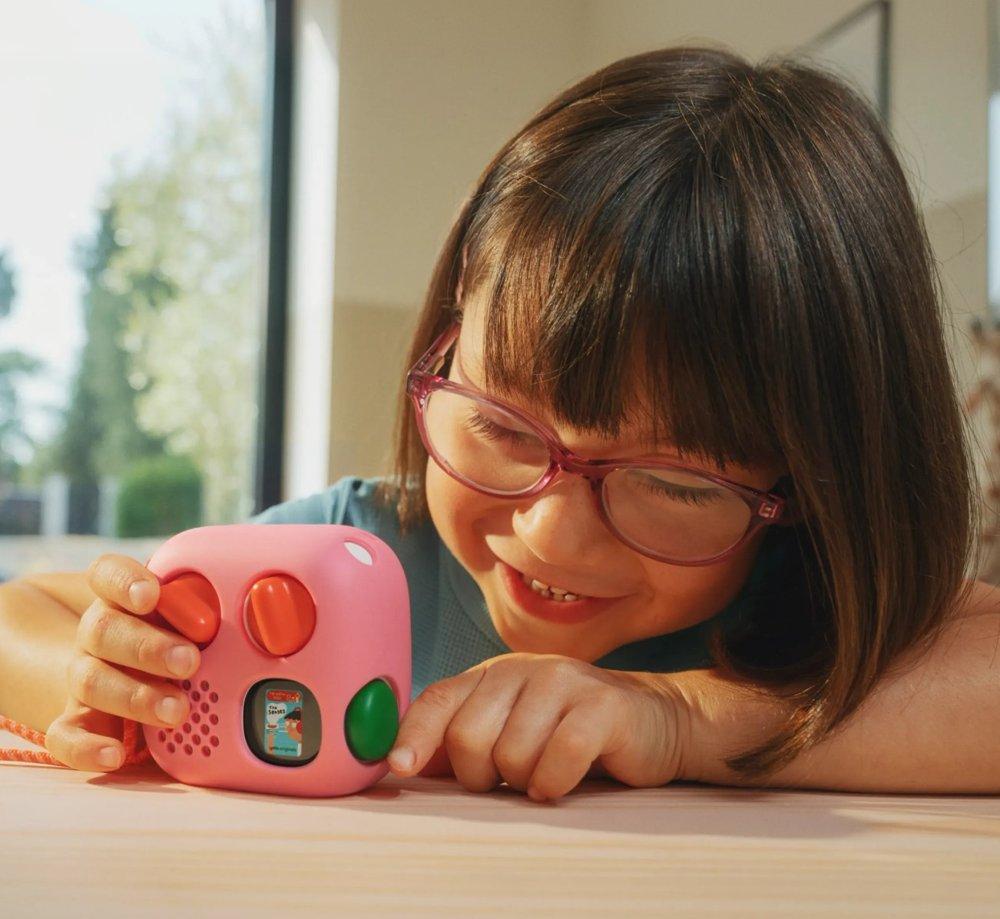
Yoto Mini (4th Gen)
$109.99 Price on November 5, 2026
For the kid who listens to audiobooks in the car
- Who it's for: Ages about 3–12. Best from 4–5 up, when a child can slot cards in and press buttons on their own.
- Why it's worth it: A pocket-size, screen-free speaker that plays audiobooks, music and podcasts from cards. The 4th Gen (announced Sept 2026) runs up to 16 hours on a charge, is IP67 water- and dust-resistant, and adds a Green Button that plays up to 20 parent-chosen items without a card.
- Price: Fair price. It costs $40 less than the full Yoto Player 4th Gen ($149.99) and keeps the same card library, but it has no night light or clock.
- Know before you buy: Cards cost about $6–$10 each, and blank Make Your Own cards let you add your own audio. It works with wired (3.5 mm) and Bluetooth headphones. Setup needs the Yoto app and Wi-Fi.
- Skip it if: The child is 2–3 and still mouths or throws things, or you want a bedside night light and clock. In that case, get the Toniebox or the full Yoto Player.
- What testers say: Reviewed.com named the Yoto Player its best overall kids' audio player for its content and cheap blank cards. TODAY's tester found it had the most room to grow, but a 3.5-year-old needed help with the buttons and put cards in upside down. Tom's Guide's 4th Gen launch coverage notes the bigger battery and 64GB of storage. No full hands-on review of the US 4th Gen Mini yet.
Reviews: Tom's Guide (4th Gen launch) · TODAY (Toniebox vs. Yoto, tested Sept 2025) · Reviewed
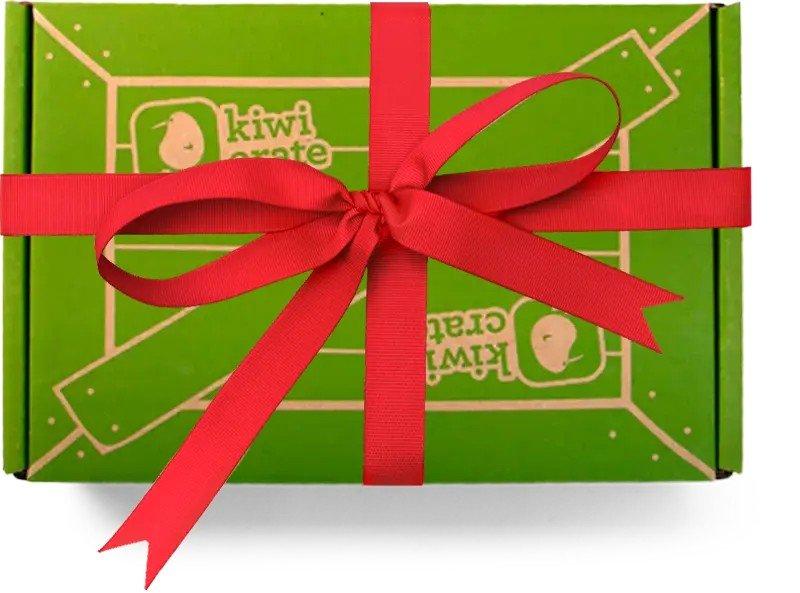
KiwiCo Kiwi Crate Monthly Subscription
$23.95 Price on November 5, 2026
For the kid who wants to build it themselves
- Who it's for: Ages 6–9 according to KiwiCo (older guides say 5–8). A good fit for a kid who likes making things and following picture instructions.
- Why it's worth it: Each month a box arrives with all the materials for one or two science or art projects, plus an illustrated magazine. It is an experience gift, not another toy on the shelf. Reviewers like that nothing extra needs to be bought.
- Price: Good value. That is about $24 a month for a complete project. Prepaid 3-, 6- and 12-month plans cost less per crate, down to about $18.50.
- Know before you buy: It renews automatically until you cancel, so skipping a month is not the same as canceling. As a gift, prepay a fixed number of months. US shipping is free. Younger kids may need an adult nearby. Price shown is the monthly rate for the standard plan; KiwiCo shows the final price at checkout.
- Skip it if: The child is 3–5 (KiwiCo's younger lines fit better), or the family has no space or patience for crafts that need some cleanup.
- What testers say: KiwiCo customers rate it 4.7 out of 5 across 13,608 reviews, and many parents say the difficulty is right for a 6-year-old. My Subscription Addiction (updated May 2026) praises the projects but lists messiness and the need for supervision as downsides. Some users complain about canceling, refunds and late deliveries.

Stapelstein Board
$59 Price on November 5, 2026
For the kid who can't sit still indoors
- Who it's for: Ages 3 and up (the brand tags it 3+ and 6+). Good for active kids in small apartments and for families who already own Stapelstein stepping stones.
- Why it's worth it: A curved disc of dense, water-resistant foam, made in Germany. Kids rock and balance on it, spin in it, slide on it or use it as a seat. It also works as a sturdy base for stacking Stapelstein stones. It's one simple object with no batteries and no small parts.
- Price: Fair price. It costs more than generic plastic wobble boards but much less than the $299 Stapelstein rainbow set, and it gets used for many years.
- Know before you buy: It comes in about 10 colors, and some sell out. It is foam, so it is quiet on floors and fine outdoors and in sand or snow. Stapelstein's sets cost much more if you want the stepping stones too.
- Skip it if: You want a toy with many parts or 'something to do'. This is open-ended and works best for kids who like to move.
- What testers say: Shoppers on Stapelstein's site rate it 4.9 out of 5 (50 reviews). The brand shows a Wirecutter seal on this product, but we couldn't open Wirecutter's page to confirm the pick or the year. With only 50 reviews, the evidence is thin, which is the main caution.
Reviews: Stapelstein (product page with Wirecutter seal; not independently verified)
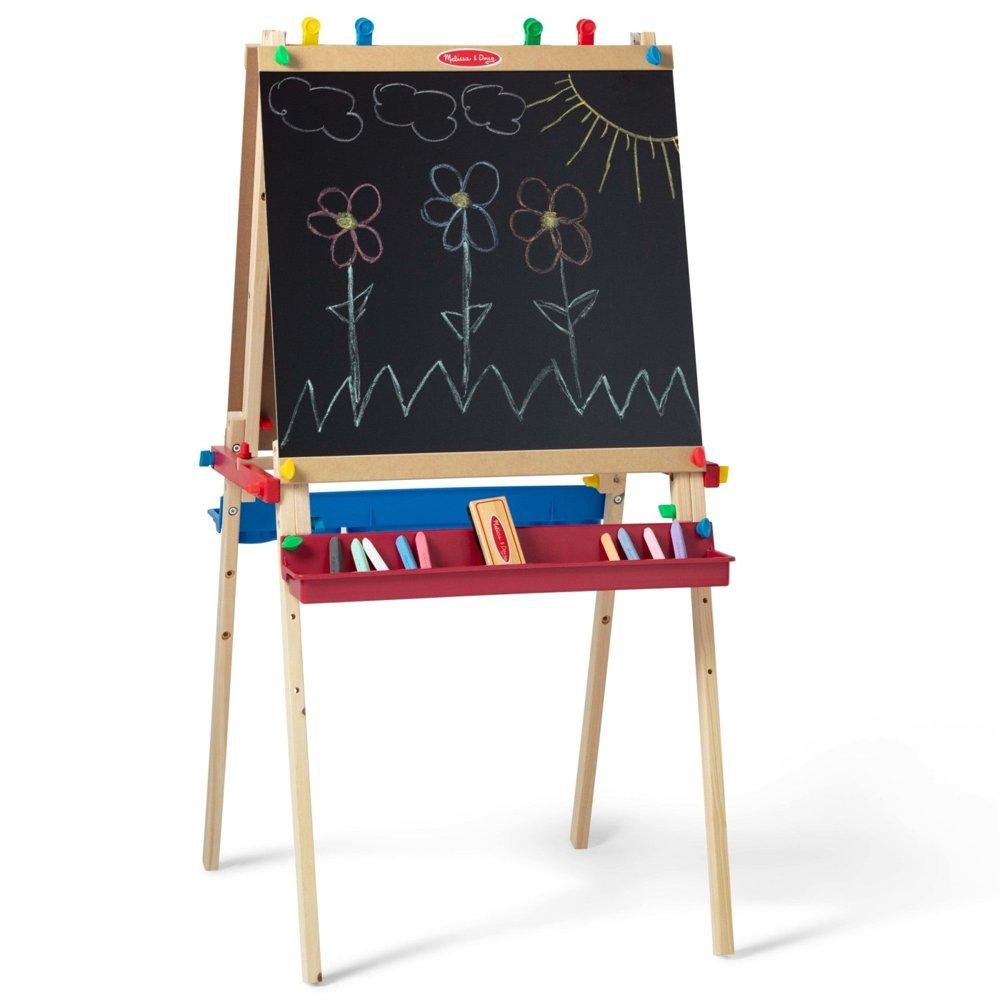
Melissa & Doug Deluxe Wooden Standing Art Easel
$114.99 Price on November 5, 2026
For the kid who draws on everything but paper
- Who it's for: Ages 3–8. Good for families with space for a standing easel who want art supplies in one place.
- Why it's worth it: A double-sided wooden easel with a chalkboard on one side and a dry-erase board on the other, plus a paper-roll holder for painting. The height adjusts as the child grows, and it folds flat. It is one piece of furniture that covers drawing, painting and letter practice for about five years.
- Price: Fair price. It costs less than Melissa & Doug's $142.99 magnetic version, which is out of stock, and is in line with other full-size wooden kids' easels.
- Know before you buy: Paper, paint and chalk are not included. It fits 12- or 18-inch paper rolls. It needs some assembly and takes up floor space; it folds flat for storage. The paint trays are plastic.
- Skip it if: You're short on floor space. A tabletop easel or a roll of paper on the wall is cheaper and smaller.
- What testers say: The New York Post's 2026 gift list picked Melissa & Doug's deluxe standing easel and liked the three height settings that 'grow alongside your painter-to-be' (it named the magnetic version, which is out of stock). We found no 2025–2026 lab test of this exact model.
Reviews: New York Post via AOL (2026)
How we picked
We started from independent sources: TODAY's hands-on Toniebox vs. Yoto test, Reviewed's kids' audio-player tests, Good Housekeeping's 2025 Toy Awards, and recent gift guides. We then kept only items that hold up for several years, are sold directly by the brand, and were in stock on Nov 5, 2026. Shopper ratings come from the brand's own store where it shows them. Prices are US prices on November 5, 2026 and may change.
FAQ
Is Yoto or Toniebox better for a 3-year-old? For most 3-year-olds, the Toniebox is easier because kids start stories by placing a figurine and need no buttons. Yoto is better from about age 4–5, and its cards are cheaper over time.
What can I buy a 5-year-old that isn't a toy? Experience gifts work well at this age: a few months of a craft subscription like Kiwi Crate, an audiobook card bundle, or art supplies for an easel they already have.
Are Yoto and Tonies content cards worth the ongoing cost? Expect about $6–$10 per Yoto card and $15–$20 per Tonie figurine. Both let you load your own recordings for free, which keeps costs down.
How do I cancel or gift a KiwiCo subscription? Choose a prepaid gift plan with a set number of crates. A regular subscription renews automatically until you cancel it in your account.